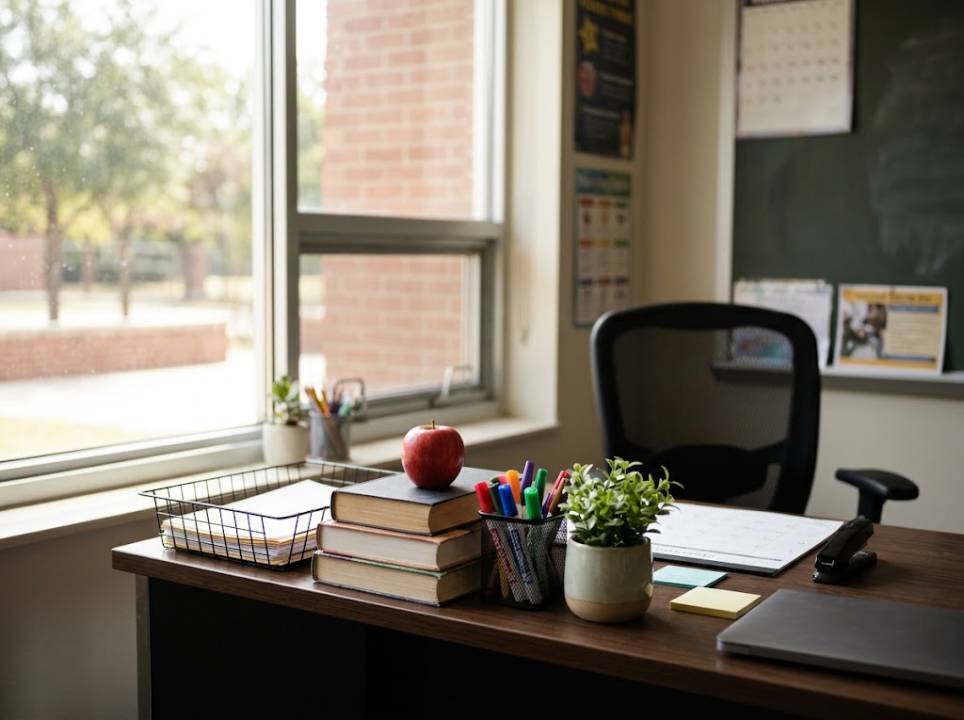
A calm classroom does not happen by accident. It grows from clear expectations, steady routines and respectful relationships. Teachers who manage their classrooms well spend less time correcting behaviour and more time teaching. These strategies will help you build a calm, productive learning space.
Set Clear Expectations From Day One
Explain a few simple rules in positive language, such as listen when others speak. Short, clear rules are easier to remember and apply.
Involve Students in Creating Rules
When students help write class agreements, they feel ownership. Display the agreements and refer to them calmly when needed.
Teach Routines Explicitly
Practise how to enter, hand out materials and finish tasks. Routines save minutes every lesson and give students a sense of security.
Use Positive Reinforcement
Notice good behaviour more than bad. Specific praise such as thank you for helping your partner builds the habits you want to see.
Stay Calm Under Pressure
A quiet, steady voice calms a room faster than shouting. Take a breath before responding to difficult moments.
Move Around the Room
Walking between desks keeps students focused and lets you notice problems early. Your presence is often enough to redirect attention.
Plan Smooth Transitions
Moments between activities invite disorder. Use a signal, a countdown or a short instruction to move everyone together.
Start Lessons With a Clear Task
A quick starter activity on the board gives students something to do immediately. Busy hands and minds leave less room for distraction.
Keep Lessons Engaging
Bored students find trouble. Vary activities, include movement and ask real questions to keep minds active.
Use Non Verbal Signals
A raised hand, a glance or a gentle gesture can correct small issues without interrupting the lesson.
Address Problems Privately
Speak to a student quietly instead of in front of peers. Private conversations protect dignity and reduce defensiveness.
Follow Through Consistently
If you set a consequence, apply it fairly and calmly. Consistency teaches students that rules mean what they say.
Build Positive Relationships
Learn names quickly, ask about interests and greet students at the door. Students behave better for teachers they trust.
Support Students New to Your Country
New arrivals may be anxious and unsure of routines. Pair them with a friendly classmate and share visual guides. Official enrolment often needs paperwork, and a guide on birth certificate translation explains how such records are prepared for schools.
Communicate With Thai Speaking Families
Families who read Thai feel more included when notes arrive in their language. A english to thai translation of newsletters and rules helps parents support children at home.
Create a Calm Physical Space
Arrange desks so you can see every student and keep walkways clear. Tidy rooms invite tidy behaviour. See Edutopia for practical teacher resources.
Offer Choices Within Limits
Letting students choose between two tasks gives a sense of control. Choice reduces resistance and increases effort.
Teach Self Regulation Skills
Breathing exercises, quiet corners and short breaks help students manage strong feelings. Teach these tools before they are needed.
Use Group Roles
Assigning roles such as reader, timekeeper and reporter keeps group work orderly and gives everyone a purpose.
Manage Talking Time
Use signals like a quiet hand or a bell to bring attention back. Practise the signal until it works instantly.
Handle Phones and Devices Clearly
Agree when devices may be used and where they are stored. Clear rules reduce arguments.
Respond to Repeated Misbehaviour Thoughtfully
Look for the reason behind the behaviour, such as difficulty with the task or trouble at home. Solving the cause works better than punishing the symptom.
Work With Colleagues and Families
Share strategies with other teachers and contact families early with positive news. A shared approach strengthens results.
End Lessons Calmly
Leave a few minutes to tidy, review and say goodbye. A calm ending carries into the next lesson.
Reflect on What Works
After each week, note which routines helped and which caused friction. Small adjustments bring steady improvement.
Look After Your Own Wellbeing
Rest, laughter and support from colleagues make you a better teacher. Calm teachers create calm classrooms.
Celebrate Progress as a Class
Mark achievements such as smooth transitions or kind behaviour. Shared pride builds a positive culture.
Keep Learning About Classroom Practice
Read, observe colleagues and attend workshops. Management skills grow with experience and reflection.
Use Seating Plans Wisely
Plan where students sit to balance friendships and focus. Change the plan from time to time to keep energy fresh.
Prepare Materials in Advance
Having worksheets, tools and instructions ready prevents idle time, which is when most problems start.
Give Clear Time Limits
Tell students how long each task will take and show a visible timer. Clear limits help them pace their effort.
Welcome Student Feedback
Ask students what helps them concentrate. Their suggestions often point to simple improvements.
Final Thoughts
Good classroom management is built on respect, clarity and consistency. Choose two strategies to practise this week and notice how students respond. Small, steady habits create a classroom where everyone can learn.